
What to do if
you are being harassed
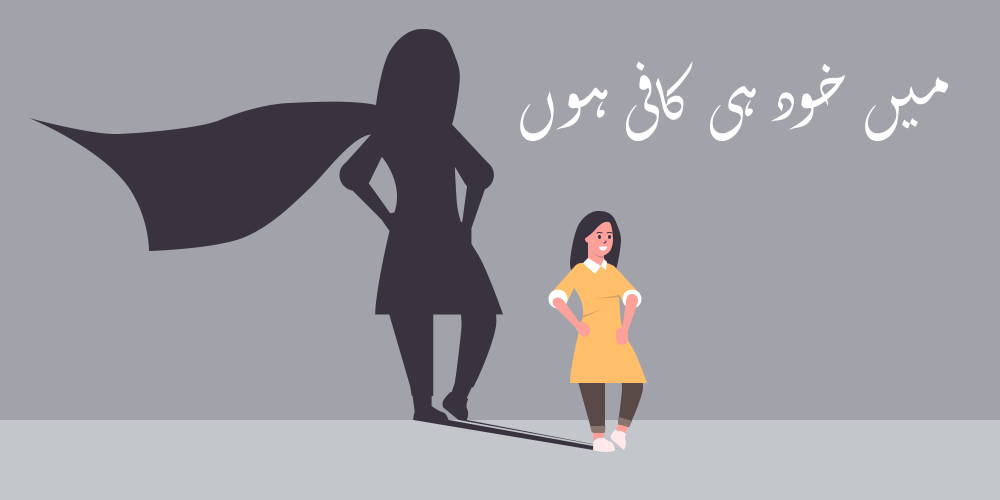
If you take away one thing today, let it be this: It's not your fault. The responsibility of harassment always relies on the perpetrator. Unfortunately, street harassment of women is embarrassingly common, and our usual reaction is to ignore the harasser, but is this the best course of action?
Certainly, if there is a real threat to your safety you should get yourself out of that situation as quickly and quietly as possible. Facing the harasser might provoke him and escalating the situation is the last thing we want to do. However, standing up to the harasser is not only very empowering for you, other girls will be inspired when they see you take a stand for yourself. There is no obligation on you, however if you do decide to act, here are some things you can do:
- Call them out: One of the first things you can do is state what they are doing and ask them to stop. For example, "Don't stand so close to me, back up." Keep your tone unapologetic but avoid making personal attacks about them.
- Adopt strong body language: Your posture and a determined expression can clearly convey your dislike for the situation that the harasser is putting you in for all to see.
- Ask bystanders for help: Most people would like to help, look around to see if there is someone you can talk to and inform them how the harasser is bothering you. There is a good chance your harasser will hide when he sees you involving other people.
- Document incident: You will need to use your intuition and judgement on how safe it is for you to do this, but a very effective method to get harassers to back off is to record their behaviour using your phone. It is ironic that they feel no shame committing their crime but are overly concerned about their reputation being associated with harassment.
- If you are being followed: Try to go to a friend's house or a trusted neighbour's home instead so it is difficult to track where you live. Inform your family members about the incident.
- Confide in family and friends: An incident is likely to leave you feeling shaken and disturbed. Identify trusted people in your circle of family or friends and speak to them about your ordeal. You could teach them about reflective listening if you think it will help.
- Report it to Aagah: We are committed to you, take a chance on us. Share your incident and help us fight these crimes on a grass-roots level.
If you have faced harassment, you are a victim but do not let that define you. Join our support network on Facebook, Instagram or Twitter to help you practice resilience in the face of harassment.
If you are suffering from trauma and need help, consider speaking to a therapist in your area or a certified specialist online. If you have no means of getting help, write to us, we can't promise solutions, but we can offer guidance and help.
Stay Strong
Be Your Own Hero
you witness someone being harassed

If you pay attention, sooner or later, you are likely to witness someone on the street being harassed. Experts say bystanders play a vital role in significantly reducing the emotional and physical impact of harassment. One of the factors that make the frequency of harassment cases so shocking is that most people who have the chance to step in, don't feel capable to do so.
Jab koi aur nahin rok raha to mai kya karlunga?
More commonly known as bystander apathy, this phenomenon is often described as "being less likely to help a victim when there are a lot of other people around." Helplessness is a key factor in a bystander's decision not to intervene. Being unsure of what to say or how to resolve the situation you are witnessing can keep you from doing anything at all.
Here are six steps to help you become an active bystander:
-
Assess the situation
Before doing anything, be aware of what is happening and properly assess the situation you are getting yourself into. It is important that you are not putting yourself at risk, putting the person being harassed further at risk or causing the situation to escalate. Ask yourself if you are safe, and if you are in a place where the people around can support you if needed.
-
Be direct
After having established if its safe, intervene. Directly confront the harasser and be firm. If the harasser responds, do not start or engage in an argument, a screaming match or resolve to physical confrontation unless absolutely necessary. Instead, interact with the person being harassed or stay long enough so they can leave and be a safe distance away. You can ask to accompany them to a safer place or ask if there is anything you can do to help. It is vital to make sure that they say yes, and you are not another person intruding on their personal space.
-
Create a distraction
If you think it is not safe to interact with the harasser, distract. Creating a distraction can also help cease the incident. Engage with the person being harassed and talk to them about something completely unrelated. Make sure you approach them in a non-threatening manner and maintain a respectable distance. For instance, pretend to know them, or simply ask for directions. It can also be beneficial to physically insert yourself in a place that distances the harasser from the person.
-
Delegate
A group can be helpful at attaining attention and creating a bigger distraction, It is safer to intervene with a group rather than by yourself. If you can't get personally involved, find someone of authority (e.g. a security guard) who can resolve the situation.
-
Express your support
If the incident occurred in a passing manner such as catcalling, where you could not intervene with the harasser, you can still help by checking in with the person and showing your support. Asking if they are alright and if you can help them in any way can go a long way to reduce the emotional impact it might leave on the person.
-
Film the incident
If you don't want to overcrowd an incident and others have stepped in, start to document it. Keep your distance and film it. Knowing that there is video evidence can sometimes defuse the situation and scare the harasser, preventing them from repeating their behavior. Having the incident on camera can also help the person being harassed if they choose to report it. Stating the time and date, as well as filming the location, is useful information to have. Once it is over, it is important you ask the person what they want you to do with the footage. Do not post it online or share it without their permission as you may potentially make the incident even more emotionally difficult for them that it already was.
Remember, the best thing to do is to do something. While one person cannot completely end street harassment, being an active bystander is the first step in reducing the impact of street harassment. If you spot it, you can step in and you can stop it.
Har aik waqiyah aik jurm hai, apni awaaz istemaal karein
someone confides in you
When someone shares their experience of abuse with you, it puts you in a difficult position where you want to make them feel better but you don't know how. You might react in one of the following ways:
- Anger: You are ready for revenge and care for nothing in your blind rage
- Ignorance: Some of us get so disoriented and muddled in our heads we just might forget to acknowledge the pain of the person confiding within us
- Dismissal: Some of us might feel uncomfortable and change the topic, hoping this confession has been enough therapy for the person
These may seem like differing reactions, but they are all the same! They are all reactive, irrational and impulsive, stemming from the exact same thing: being overwhelmed. The truth is it's not easy to know how to react in such a situation. What your friend or even a complete stranger needs from you is for you to listen. Doing that is easier said than done, especially when you experience such an overwhelming wave of emotions yourself.
One way we can be better listeners is by applying the active reflective listening technique that we've picked up from the Johns Hopkins RAPID model of psychological first aid. This technique is useful in any situation in which someone confides in you and needs your attention.
Reflective listening is a process of empathizing with your confider and gaining their trust.- Ask open-ended questions (what, why, how) as opposed to closed-ended ones. The person in distress will derive a sense of value and participation in the solution of their problem.
-
Another active listening tool is 'summary paraphrase'. You take
someone else's words, rephrase them and send them back for
affirmation or modification. However, do not abuse this tool, as it
may seem like an interrogation rather than a conversation. For
example:
- "So in other words what you're saying is..."
- "So what I understood is..."
- "You mean to say..."
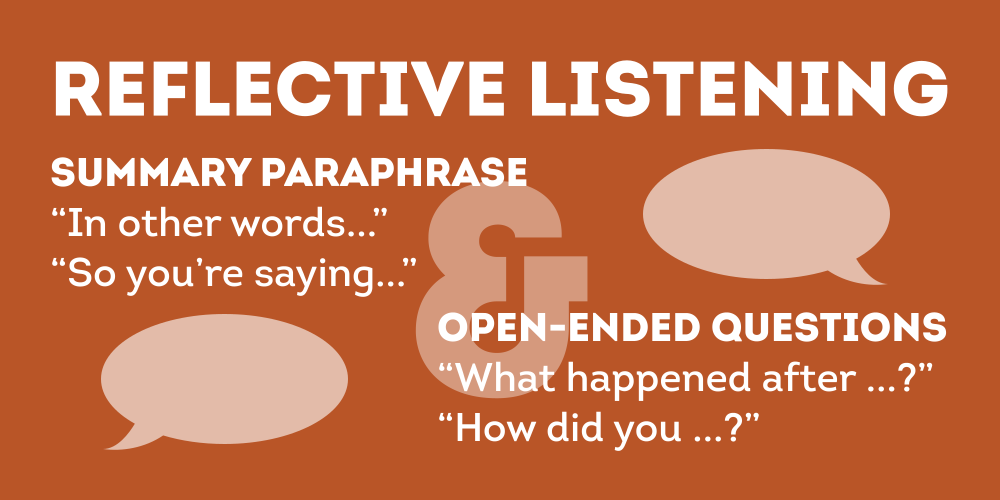
The point is to validate the emotions of the person in distress, because people are often not ready for objective assistance immediately and need someone to understand them. Once your confider feels fully understood, they will be less emotional, and will be ready to resolve the situation. This is where we turn to objective solutions.
Support your friend in developing resilience to the situation as a form of self-help. We would also advise reporting the incident to the security in the area if it is possible to do so. You can also report the incident to Aagah or other responsible organizations.
The fight against the harassment of women is an ongoing battle, one we can't win without each other. Every single incident is a crime.
What can I do to help?
If you have been harassed, share your story with us. Your identity is completely anonymous, and we will never share your responses with anyone.
Share our map and message on social media, write articles or simply share with friends and family. Share this with the men in your life, we need our boys!
We need both sponsors and volunteers. If you would like to help, we would love to have you!